Dog Coloring Pages for Adults Teens
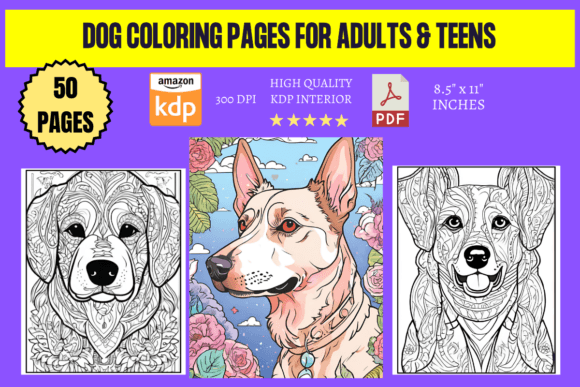
These aren’t your childhood coloring sheets. Dog Coloring Pages for Adults Teens is a thoughtfully curated digital printable collection—50 original, high-resolution designs crafted with intention, not algorithm. Each page balances intricate linework with mindful negative space, inviting focus without fatigue. You’ll find expressive breeds rendered in clean, confident strokes—some stylized with subtle Art Deco flourishes, others leaning into botanical whimsy or mid-century minimalism. There’s no clipart energy here. Just authentic, print-ready illustrations that feel hand-drawn yet precisely scalable—ideal whether you're unwinding after work, guiding a child’s fine motor development, or sourcing design assets for a small-batch product line.
Why These Pages Work Where Others Don’t
Most dog-themed coloring books default to either oversimplified outlines (too easy for teens) or overwhelming density (frustrating for adults new to the medium). This set avoids both traps. The 50 pages are intentionally varied in complexity: some feature bold, graphic silhouettes perfect for quick stress relief; others layer delicate paw prints, collars, or floral motifs around central figures—giving experienced colorists room to experiment with texture and contrast. The linework stays consistent at 300 DPI across all PNG and JPG files, ensuring crisp edges whether printed on matte cardstock or used as layered elements in editorial design projects. That reliability matters—not just for personal use, but when repurposing assets commercially, like creating branded activity kits for pet boutiques or downloadable content for subscription newsletters.
More Than Just Coloring—A Design Asset Library
Think of Dog Coloring Pages for Adults Teens as a versatile toolkit—not just a book, but a set of flexible visual components. Each 8.5″ x 11″ file is KDP-upload ready, yes, but it’s also built for reuse beyond Amazon. Designers integrate individual pages into mood boards for pet brand identities. Educators extract single frames for classroom handouts. Bloggers overlay soft watercolor textures onto the line art for custom social media graphics. Crafters scale sections for vinyl cutters or embroidery patterns. Because the files are delivered as high-res raster images—not vector SVGs—they retain their tactile, hand-finished quality while remaining universally compatible with Canva, Photoshop, Affinity Publisher, and even basic photo editors. No font installation, no licensing guesswork. Just open, resize, and deploy.
Real-World Fit: How to Evaluate Project Alignment
Before adding any design asset to your workflow, ask two quiet questions: *Does this support my audience’s actual behavior?* and *Does it reduce friction—not add it?* For example, if you run a small Etsy shop selling printable planners, bundling three of these dog pages as “stress-relief bonus inserts” makes sense: your buyers already expect PDF downloads, and the 300 DPI resolution ensures they’ll print cleanly alongside your existing layouts. But if you’re designing a responsive web app for kids’ learning, raster-based coloring pages won’t scale fluidly across devices—so this set wouldn’t be your best fit. Similarly, while the artwork lends itself beautifully to packaging design (think kraft boxes for organic dog treats), avoid using it for tiny UI icons—the detail collapses below 200px width. Always test at intended size and context, not just in preview mode.
Pairing With Purpose—Typography & Beyond
When incorporating these pages into larger creative projects, typography becomes your silent collaborator. A clean sans serif like Inter or Montserrat reinforces modernity and accessibility—ideal for product labels or blog headers paired with the coloring art. For editorial spreads or gift book covers, a warm serif like Lora or Playfair Display adds quiet authority without competing with the linework. Avoid script fonts unless you’re targeting a very specific nostalgic or artisanal tone—most handwriting styles visually clash with the confident, controlled lines of these dog illustrations. And remember: consistency matters more than variety. Pick one primary typeface for body text and one for headings, then stick with them across all touchpoints where you use the coloring pages. That repetition builds recognition—whether you’re launching a pet wellness newsletter or building a cohesive Shopify store aesthetic.
Licensing Clarity—No Surprises, Just Straightforward Use
This is a commercial-use digital product—no hidden restrictions. You may print unlimited physical copies for personal use, gifts, or resale (e.g., pre-colored versions sold at craft fairs). You may also embed the files in digital products like Canva templates or Notion workbooks—as long as the original line art isn’t redistributed as standalone assets. What you *can’t* do is claim authorship of the illustrations or resell the PNG/JPG files themselves as a standalone “dog coloring font” or design pack. That boundary keeps things fair for both creators and users. If you’re building a brand identity system around dogs—say, a mobile vet service or a canine behavior podcast—these pages serve as authentic, licensable visual anchors. They’re not generic. They carry personality. And that authenticity translates directly to audience trust.
Final Thought: Design That Serves, Not Just Decorates
The strongest creative assets don’t shout. They settle in—supporting goals quietly, reliably, and repeatedly. Dog Coloring Pages for Adults Teens does exactly that: it meets adults where they are (seeking calm, creativity, or gentle focus), speaks to teens with visual confidence rather than condescension, and gives kids joyful, age-appropriate engagement—all without sacrificing technical polish. Whether you’re a blogger curating seasonal printables, a marketer developing community-building resources, or a small publisher assembling themed activity bundles, these 50 pages earn their place in your workflow by doing real work—not just looking nice. They’re designed to be used, reused, and remixed—not archived.