Skeleton Coloring Page Fork Kids: A Smart, Print-Ready Resource for Learning and Play
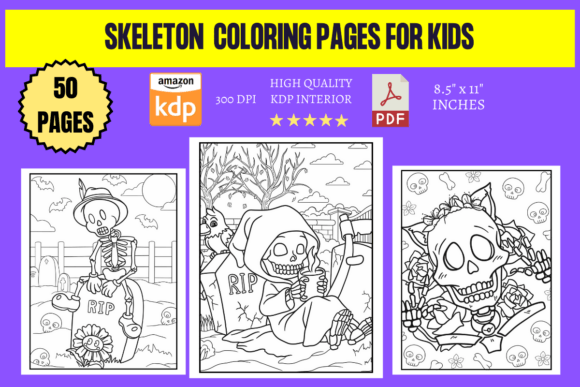
When it comes to blending education with creativity, Skeleton Coloring Page Fork Kids stands out—not as a single image, but as a thoughtfully curated collection of 50 high-quality, ready-to-print coloring pages. Designed specifically for young learners, this digital printable set transforms anatomy basics into joyful, hands-on exploration. Whether you're a parent looking for screen-free enrichment, a teacher building a science-themed unit, or a creator prepping Amazon KDP content, these pages deliver flexibility, clarity, and real-world usability.
Why 50 Pages—and Why This Design?
Most skeleton-themed coloring books offer repetitive outlines or overly complex diagrams that overwhelm early elementary kids. This set avoids both pitfalls. Each of the 50 Skeleton Coloring Pages features clean, bold lines, age-appropriate proportions, and intentional spacing—making them easy to color with crayons, markers, or colored pencils. The “fork” concept in Skeleton Coloring Page Fork Kids refers to the dual-purpose design: one branch supports playful engagement (think silly skeletons dancing, wearing hats, or holding bones), while the other supports foundational learning (labeled parts, directional cues like “front view” or “side view,” and simplified skeletal systems).
You’ll find pages that highlight individual bones—the femur, skull, ribs—as well as full-body layouts showing how bones connect. Some include subtle visual cues: dotted lines for joint movement, shaded areas indicating bone density, or numbered callouts for classroom discussion. None feel like worksheets. All feel like invitations—to trace, name, question, and create.
Print-Ready Quality You Can Trust
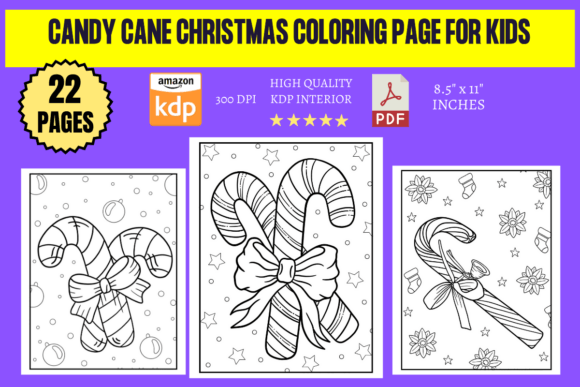
This isn’t a PDF you’ll struggle to scale or crop. Every file is delivered as a high-resolution 300 DPI JPG image, sized precisely at 8.5″ x 11″—the standard letter size used by home printers, school copiers, and print shops alike. That means no blurry edges, no pixelation when enlarged, and no awkward white borders eating into your artwork.
Bonus: It’s Amazon KDP upload ready. If you’re compiling themed activity books for sale—or even bundling these with other anatomy-themed printables—you won’t need to resize, reformat, or adjust bleed margins. Just download, organize, and upload. The PNG versions included give you transparency options for digital overlays or custom edits in Canva or Photoshop.
How Families and Educators Actually Use These Pages
In homes, Skeleton Coloring Page Fork Kids becomes more than busywork. One parent shared how her 6-year-old started asking questions about “why we have so many bones in our hands” after coloring a detailed hand page. Another used the spine illustration to explain posture during remote learning breaks—coloring became the hook, not the hurdle.
In classrooms, teachers layer these pages into multi-day units:
- Day 1: Introduce vocabulary (“cranium,” “pelvis,” “vertebrae”) while coloring a labeled full-skeleton sheet.
- Day 2: Compare animal and human skeletons using two contrasting pages—one showing a dog’s leg structure, another a child’s leg.
- Day 3: Reinforce memory with a “find-and-color” challenge: “Color all the bones that protect your heart.”
Therapists and homeschoolers also report success using these pages for fine motor development. The consistent line weight (2.5–3 pt) supports grip control, while the generous interior spaces reduce frustration for children still building dexterity.
Gender-Inclusive, Age-Flexible, and Culturally Aware
There’s no “boys’ version” or “girls’ version—just 50 pages built for all kids. You’ll see diverse skin tones in illustrated characters holding skeletons, non-gendered clothing choices (hoodies, overalls, lab coats), and inclusive names in optional caption prompts (“Meet Sam—they love studying how bones grow!”). This isn’t tokenism; it’s intentional design that reflects how real children see themselves in learning materials.
Ages 4–10 engage meaningfully with different pages. A preschooler might enjoy the “skeleton jumping rope” page, focusing on gross motor action and color choice. An 8-year-old may tackle the “skeletal system cross-section” page, identifying layers and connecting terms to a short read-aloud. Even tweens appreciate the clean aesthetic for doodle journals or science fair prep.
What Makes This Set Stand Out From Free Downloads?
Free skeleton coloring pages often suffer from three issues: low resolution, inconsistent anatomy, or cluttered layouts. You’ll find jagged lines, mismatched bone lengths, or tiny text buried in corners. This set was reviewed by a certified elementary science educator and a pediatric occupational therapist during development—so every page meets functional and developmental benchmarks.
For example:
- The ribcage page shows correct curvature—not a flat oval—and includes subtle shading to suggest depth.
- The skull page separates major sutures without overwhelming detail, supporting early observation skills.
- Each bone label uses a clear, sans-serif font at 14 pt minimum—legible even when printed on basic copy paper.
That attention to detail translates directly to less adult intervention and more independent discovery.
Practical Tips for Getting the Most Out of Your Download
Once you’ve downloaded your 50 Skeleton Coloring Pages, try these low-effort, high-impact ideas:
- Turn one page into a mini-poster: Print the full skeleton on cardstock, laminate it, and hang it near a reading nook. Add sticky notes with fun facts as your child discovers them.
- Create a “Bone of the Week” ritual: Pick one bone per week (start with the femur—it’s the longest!), color its page, then act out how it moves (e.g., “stomp like your femur is doing push-ups!”).
- Use the PNG files digitally: Import into Seesaw or Google Slides, add voice notes, and let kids record their own bone explanations.
- Pair with tactile learning: After coloring the hand page, build a simple model using pipe cleaners and beads—then compare.
No special supplies needed. No lesson planning required. Just curiosity, color, and clarity.
Perfect for Gifting, Group Activities, and Beyond
Whether you’re assembling a birthday goodie bag, prepping for a library STEM day, or supporting a child through a medical visit (like a first X-ray), this set works quietly and effectively. One hospital child life specialist told us she uses the “smiling skeleton” pages to ease anxiety before orthopedic appointments—kids color while talking through what’s happening in their own bodies.
And because it’s digital, there’s zero shipping delay, no inventory risk, and instant access. Print one page—or all fifty. Share with your co-op group. Upload to your classroom LMS. Gift the download code to a fellow parent. The versatility is built-in.
Final Thought: Learning Should Leave Room for Wonder
Kids don’t need perfect anatomical replicas to begin understanding their bodies. They need accessible entry points—clear lines, relatable contexts, and space to ask, “What if my skull had stripes?” or “Why do toes have so many little bones?” Skeleton Coloring Page Fork Kids honors that wonder while grounding it in accurate, usable visuals. It doesn’t shout “science!”—it whispers, “Let’s look closer,” and hands kids the crayon.
With 50 distinct, print-ready, pedagogically sound pages—all delivered in professional-grade format—you’re not just buying coloring sheets. You’re investing in moments where curiosity takes shape, one bone at a time.