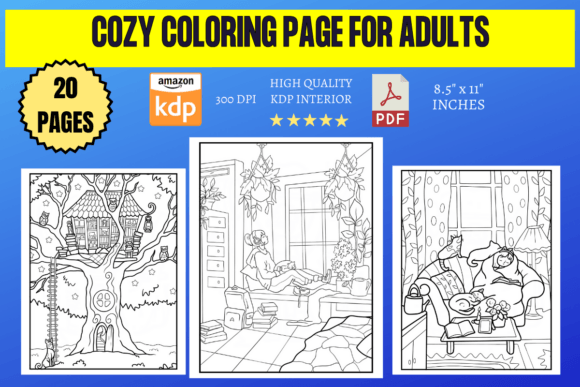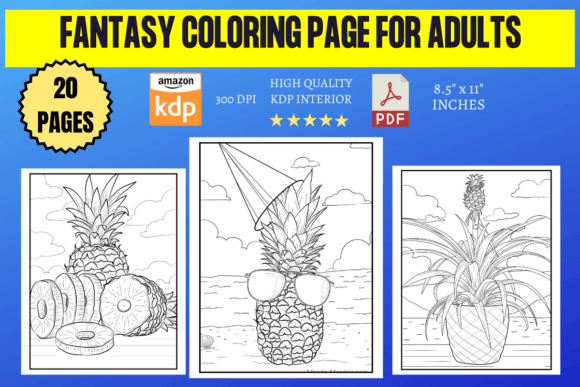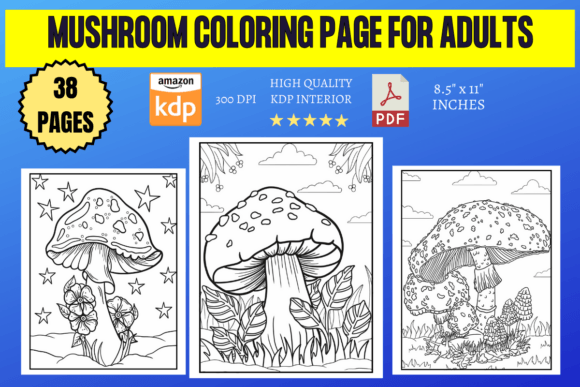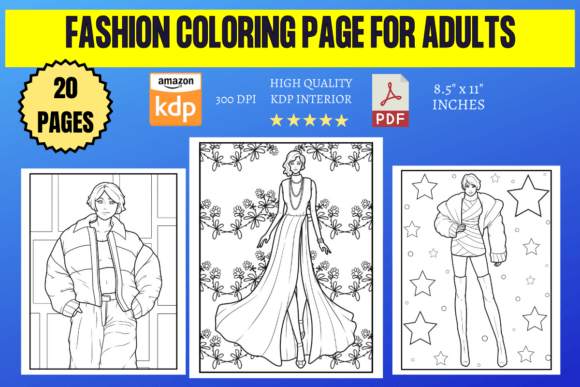
Zentangle Coloring Page for Adults
At its core, a Zentangle Coloring Page for Adults is more than just lined patterns on paper—it’s a structured invitation to focus, explore rhythm, and reclaim creative agency without pressure. Unlike freeform doodling or complex illustration, Zentangle relies on intentional repetition of small, named patterns—called “tangles”—built within defined borders. This method cultivates presence, not perfection. For adults navigating high-stimulus digital environments, tight deadlines, or creative blocks, these pages offer tangible, low-barrier entry into mindful making.
Why This Set Stands Out: Design Integrity Meets Practical Utility
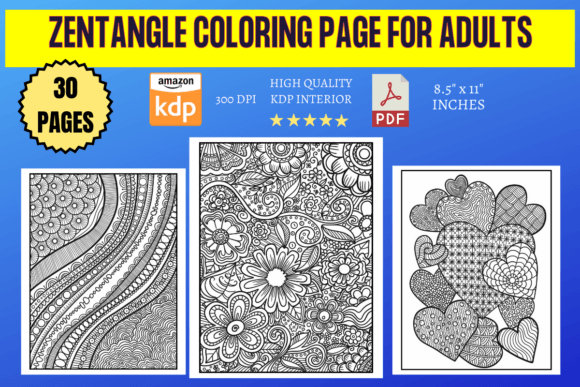
This collection delivers 30 original Zentangle Coloring Pages—each designed at 8.5″ x 11″, 300 DPI, and delivered as print-ready PNG and JPG files. That means no scaling artifacts, no pixelation when printed, and seamless compatibility with Amazon KDP formatting guidelines. But technical readiness is only half the value. Each page balances visual interest with functional clarity: borders are intentional (not decorative afterthoughts), negative space is purposefully allocated, and pattern density varies intentionally—from open, breathing compositions ideal for beginners or fine-tip pens, to denser arrangements suited for gel ink or light watercolor washes.
What makes it useful isn’t novelty alone—it’s consistency in execution. Every tangle is drawn with clean linework, uniform stroke weight, and balanced spacing. That predictability matters whether you’re using the pages for personal practice, classroom warm-ups, client-facing workshop handouts, or as source material for derivative designs.
Creative Applications Beyond Coloring
While coloring is the most common use, this set unlocks layered creative workflows:
- Design reference library: Scan individual tangles into your digital asset folder. Use them as repeat swatches in Illustrator, texture overlays in Photoshop, or compositional anchors in layout mockups.
- Teaching scaffolds: Educators can isolate one tangle per session—teach its name, stroke order, and variation potential—then let learners build confidence before combining elements.
- Brand texture development: Freelancers and small business owners repurpose simplified tangle motifs as subtle background elements in pitch decks, email headers, or packaging inserts—adding handmade warmth without distracting from core messaging.
- Therapeutic anchoring tools: Counselors and wellness practitioners print select pages to support grounding exercises—focusing on one shape at a time helps regulate nervous system response during sessions.
Adapting for Different Audiences—and Goals
A single Zentangle Coloring Page for Adults functions differently depending on who’s holding the pen—and why.
For creators and designers, treat the pages as editable canvases. Import a PNG into Procreate or Affinity Designer, lock the layer, and sketch variations directly on top—flip a tangle horizontally, introduce controlled asymmetry, or merge two patterns into a hybrid motif. Save those experiments as your own micro-style guide.
For bloggers and content creators, these pages serve as reliable visual hooks. Pair one printed page with a short video showing how you added metallic gel pen highlights—or time-lapse a 10-minute focused coloring session. Authentic process > polished outcome. Your audience connects with the honesty of trying, not the illusion of mastery.
For educators and homeschoolers, use the 30-page count strategically: assign one page per week across a semester. Track progression—not in “how finished” each looks, but in observable shifts: increased line confidence, willingness to pause and reevaluate spacing, or spontaneous pattern adaptation. Keep a simple log: date, tangle name attempted, one observation.
For publishers and KDP sellers, this set is production-ready—but don’t stop at uploading. Consider bundling: pair 10 pages with a 4-page PDF guide titled “5 Ways to Extend One Zentangle Pattern,” or add a printable tracking sheet (“My Tangle Journal”) to increase perceived value without redesigning assets.
Keeping Results Clear, Consistent, and Audience-Friendly
Clarity starts with intentionality. Before printing or sharing, ask: What action do I want the user to take next? If it’s relaxation, minimize instructions—let the page breathe. If it’s learning, add a tiny legend in the corner naming 1–2 key tangles. If it’s inspiration, leave room for notes or sketch margins.
Consistency comes from restraint. Don’t overload every page with 12 tangles. Instead, rotate emphasis: one page spotlighting organic curves, another built entirely from geometric repeats, a third playing with scale contrast. That variety trains the eye while reinforcing foundational principles.
Audience-friendliness means respecting context. A busy entrepreneur won’t scroll through 30 pages looking for “the right one.” So organize by use case—not theme. Label folders clearly: “Beginner-Friendly,” “Fine-Line Pen Tested,” “KDP Interior-Optimized,” “Watercolor-Safe Layouts.” That small act saves time and builds trust.
Realistic Inspiration: What People Actually Do With These Pages
Here’s what works—not what sounds impressive:
- The 7-Minute Reset: One designer prints a single page each Monday morning. Sets a timer. Colors with one black Micron pen. No erasing. No judgment. Just movement. She scans the result and files it under “Mental Baseline.” Over time, she notices her line confidence improves—even in client sketches.
- The Client Onboarding Kit: A freelance brand strategist includes one Zentangle Coloring Page for Adults in her welcome packet—printed on textured cream paper, tucked behind her service overview. Clients often mention coloring it while reviewing proposals. It signals calm competence, not filler.
- The Workshop Warm-Up: An art educator uses three pages from the set as timed drawing prompts: 90 seconds to trace one tangle, 2 minutes to replicate it freehand, 3 minutes to invent a variation. No supplies needed beyond pencil and paper—removes friction, centers attention.
None of these require special training. They rely on structure—not talent. And that’s the quiet power of this collection: it meets people where they are, then gently expands their range.
Getting Started—Without Overthinking
Open the folder. Pick the first file. Print it—or open it on a tablet with a stylus. Choose one tool: a pencil, a fine liner, a brush pen. Start in the center—or the top-left corner. Trace one shape. Then another. Notice where your attention goes. When your mind wanders, return to the line in front of you. Repeat.
You don’t need to finish. You don’t need to share. You don’t need to call it art. You only need to show up with curiosity—and let the tangle guide the hand, not the other way around.